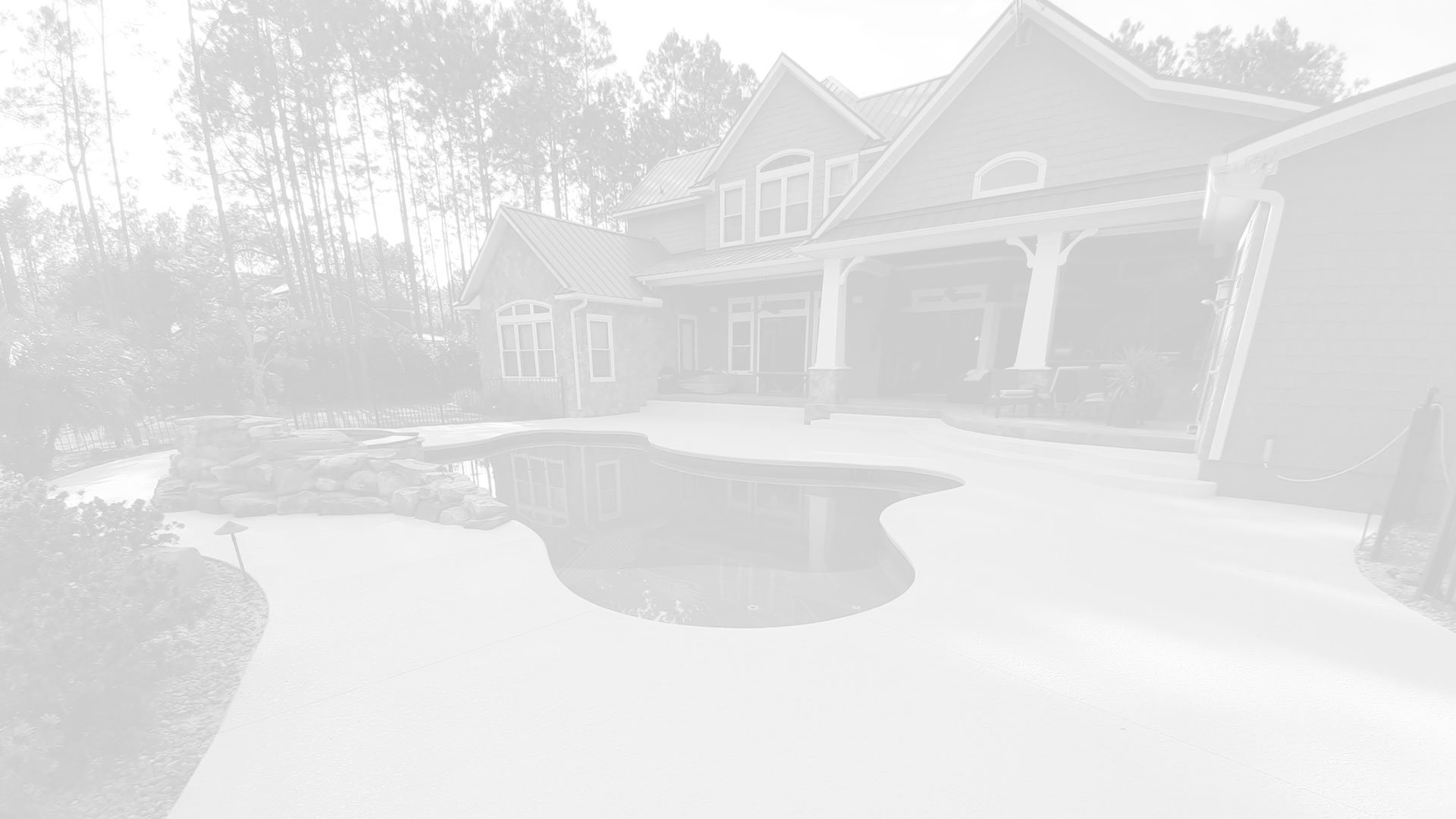
Algae, Mold, and Mildew on Pool Decks, Concrete, and Screen Enclosures in Jacksonville

Concrete is a strong and long-lasting material. When properly maintained, pool decks, driveways, walkways, and patios can last for decades. However, in the humid climate of Jacksonville and throughout Northeast Florida, one of the most common threats to exterior surfaces is not cracking or storm damage alone. It is organic growth.
Algae, mold, and mildew thrive in warm, damp environments. When moisture, shade, and organic debris combine, these organisms can quickly spread across outdoor surfaces. Left untreated, they can stain concrete, trap moisture, create slippery conditions, and slowly accelerate the aging of your surfaces.
Understanding what these organisms are, what they do, and how to prevent them can help homeowners protect their property and avoid larger repair costs later.
What Are Algae, Mold, and Mildew?
Although people often use the terms interchangeably, algae, mold, and mildew are different types of organic growth that appear in damp outdoor environments.
Algae
Algae are plant-like organisms that thrive in moist environments with sunlight. On outdoor surfaces, they often show up as green, dark green, or even black staining.
Mold
Mold is a fungus that grows in colonies. Outdoors, it often appears as dark spots or blotchy areas that spread over time.
Mildew
Mildew is a specific type of mold that usually starts as a white, gray, or powdery-looking film before becoming darker and more noticeable.
All three feed on moisture and organic material. In Florida’s humid climate, they can begin forming quickly and return repeatedly if not properly cleaned.
Why Organic Growth Is So Common in Jacksonville
Jacksonville’s climate creates ideal conditions for algae, mold, and mildew to develop.
Several factors contribute to this:
- High humidity for much of the year
- Frequent rainfall and afternoon storms
- Warm temperatures
- Shade from trees, homes, or screen enclosures
- Moisture from pool splash-out
- Organic debris such as leaves, pollen, and dirt
When moisture stays on a surface for extended periods, organic growth can begin forming within days.
Surfaces Most Affected by Algae, Mold, and Mildew
Organic growth can show up on many exterior surfaces, but some areas around the home are especially vulnerable.
Pool Decks
Pool decks deal with constant moisture from splashing water, rain, and humidity. Over time, algae and mildew can settle into the textured surface of concrete or decorative coatings.
When this happens, homeowners may notice:
- Green, dark, or blotchy staining
- Slippery areas when wet
- Faster buildup after rain
- A dull or weathered appearance
Because pool decks are porous, organic growth can slowly work into the surface if it is not cleaned regularly. Routine professional cleaning helps remove these organisms before they cause deeper staining, premature wear, or unsafe conditions.
Concrete Driveways and Walkways
Driveways and walkways may look solid and low-maintenance, but they are still vulnerable to organic buildup.
In shaded or damp areas, moisture can linger longer on the surface, allowing algae and mildew to spread. This often leads to:
- Dark streaks or patches
- Uneven coloration
- Slippery spots after rain
- Gradual discoloration that makes the surface look older than it is
Regular cleaning helps keep these surfaces safer and improves the overall appearance of the property.
Screened Pool Enclosures
Screen enclosures are another common problem area.
Because they trap humidity and create shade around parts of the pool area, they create an ideal environment for algae and mildew to spread along:
- Aluminum framing
- Lower structural sections
- Concrete near the enclosure
- Surrounding pool deck areas
Without routine cleaning, buildup can accumulate on both the enclosure and the adjacent surfaces, making everything harder to clean over time.
Why Organic Growth Should Be Removed Early
Many homeowners see algae or mildew as just a cosmetic issue, but it can do much more than make surfaces look dirty.
Slippery Surfaces
Algae can make pool decks, patios, and walkways much more slippery when wet. Around pools, this creates an obvious safety risk.
Surface Deterioration
When algae, mold, and mildew remain on concrete, they help trap moisture against and inside the surface. Over time, this can contribute to staining, premature aging, and gradual surface wear.
Faster Sealer Breakdown
On sealed pool decks, organic growth can shorten the life of the sealer by holding moisture on the surface and allowing contamination to sit longer than it should.
Appearance and Property Value
Dark staining and buildup can make a home look neglected, even when the structure itself is in good condition. Keeping these surfaces clean protects curb appeal and supports overall property value.
How Routine Cleaning Protects Pool Decks and Concrete
Professional exterior cleaning is one of the most effective ways to stop organic growth before it causes larger problems.
For most Jacksonville homes, cleaning outdoor concrete once or twice per year provides several benefits:
- Removes algae, mold, and mildew buildup
- Restores the appearance of concrete
- Reduces slippery conditions around pools
- Helps prevent deeper staining
- Extends the life of protective coatings and sealers
Routine maintenance is almost always more affordable than repairing or resurfacing concrete after damage has spread.
Maintenance Helps Extend the Life of Pool Deck Sealers
Many pool decks are protected with a sealer that contains color and helps shield the surface from moisture, UV exposure, chemicals, and organic growth.
In Northeast Florida, these sealers typically last 3–5+ years depending on how well the deck is maintained.
When decks are cleaned once or twice per year, the sealer often lasts longer because algae, mold, mildew, and debris are removed before they can break down the coating or penetrate the surface. Routine cleaning and timely resealing work together to protect the surface and extend the life of the deck.
If you want to better understand the timing, benefits, and warning signs, you can read our guide on why resealing your pool deck every 3–5+ years protects your investment in Jacksonville.
Signs Your Concrete May Need Cleaning
Homeowners should consider scheduling a professional cleaning if they notice:
- Green, black, or dark staining on concrete
- Slippery areas around the pool
- Organic buildup returning quickly after rain
- Dark streaks forming on walkways or driveways
- Mildew forming near screen enclosures
The earlier these issues are addressed, the easier they usually are to clean and control.
Maintaining Exterior Surfaces in Jacksonville’s Climate
Because Jacksonville’s humid climate encourages organic growth year-round, routine maintenance plays a major role in protecting exterior surfaces.
Cleaning pool decks, driveways, walkways, and screen enclosures once or twice per year helps prevent algae, mold, and mildew from spreading and damaging the surface. Combined with proper sealing and regular maintenance, this simple step can significantly extend the life of exterior concrete and keep outdoor areas looking their best.
Schedule a Free Cleaning or Maintenance Evaluation
If you are seeing algae, mold, or mildew on your pool deck, driveway, or outdoor surfaces, early cleaning can help stop the problem before it spreads further.
Residential Concrete provides professional concrete cleaning and maintenance services throughout the Jacksonville area.
A quick inspection can help determine the best way to clean and protect your surfaces so they continue looking great for years to come.
Contact Us