The Florida Homeowner’s Guide to Removing Black Algae From Pool Decks and Screen Enclosures
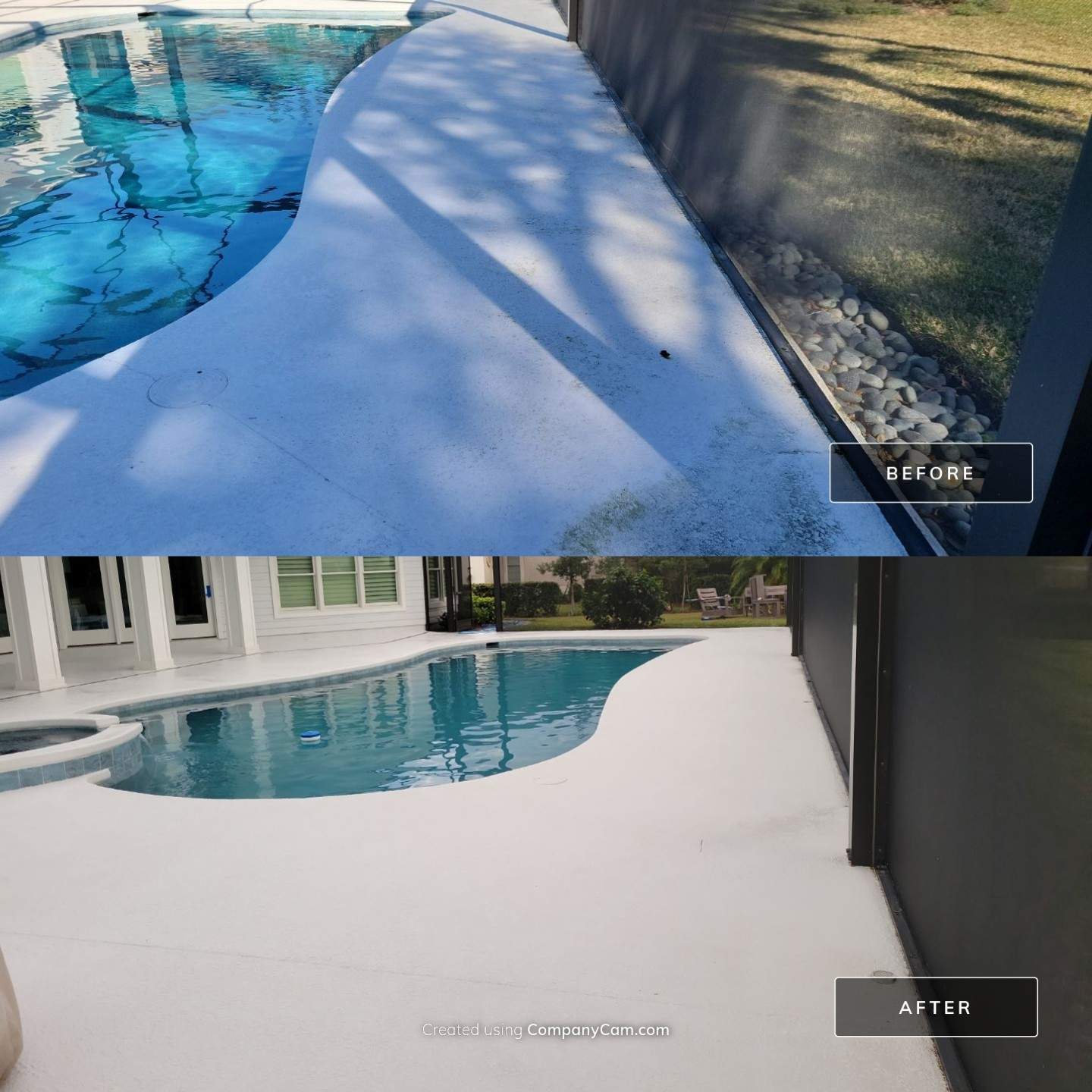
Black stains creeping across your pool surround are more than an eyesore. In Florida’s heat and humidity, the organism behind those stains, often called black algae, anchors deep into textured coatings, porous concrete, and screen frames. If you want long-lasting results, professional pool deck washing with a careful, low-pressure method is the safest path for your home and your pool cage.
As a Florida-based concrete repairs specialist, Residential Concrete helps homeowners protect coatings, stamped finishes, and expansion joints while safely removing organic growth. This guide explains what’s growing, why it spreads fast across the state, and how soft washing protects your deck, coping, and screens without causing damage.
What Black Algae Is and Why It Targets Florida Pool Decks
What we call “black algae” on exterior surfaces is a hardy, dark biofilm that thrives where moisture lingers and the sun is strong. Florida’s long rainy season, coastal breezes, and shade from oaks and palms make a perfect habitat around pools and lanais. The film grips tight to textured acrylic coatings and the pores of concrete and pavers.
On screened enclosures, the same growth settles into mesh and along aluminum frames. It holds dust and pollen, so each storm or sprinkler cycle feeds the stain again. Left alone, it turns walkways slick, dulls color, and makes sealed surfaces age faster.
Soft Washing vs. High-Pressure: What Protects Your Deck
Blasting with high pressure may look fast, but it can scar delicate finishes and push water into cracks and joints. Soft washing combines targeted cleaners with low pressure to loosen the biofilm so it rinses away gently.
- High-psi blasting can gouge coatings, etch stamped patterns, and fray screen mesh. It also opens micro-pores that trap dirt sooner.
- Low-pressure soft washing relies on dwell time and controlled rinsing, so colored sealers, acrylic lace, and broom-finished concrete stay intact.
Pool cages are even more sensitive. Jetting a screen panel can stretch the weave or snap the spline. Soft washing a cage treats the mesh and frames without stressing fasteners or flooding the lanai. When needed, our crew pairs washing with inspection for hairline cracks, lifting coatings, or joint movement so you can plan concrete services before small issues spread.
How Black Algae Damages Coatings, Concrete, and Screens
Black growth holds moisture against the surface. On acrylic pool deck coatings, that moisture works under the film and can lead to blisters or peeling. On stamped concrete and pavers, it settles into low spots and textured edges, turning steps and coping into slip hazards. On screen mesh, it clogs airflow and adds weight that strains frames during summer storms.
Because it shades the surface, you also get hot-and-cool cycling through the day. That constant movement stresses patch repairs and can widen small cracks along control joints. The right wash method breaks that cycle and helps everything dry faster after rain.
Florida Homeowner Diagnostic Checklist Before Summer
Use this quick visual check statewide in spring or early summer. It helps you spot safety and maintenance concerns without doing any cleaning yourself:
- Color and pattern: Look for dark speckling in shady corners, along railings, and at the waterline edge of the deck. Note any green-brown haze where potted plants sit.
- Texture underfoot: On a dry day, shuffle your feet across the traffic path from back door to steps. If it feels slick or waxy, growth is active.
- Coating health: Scan for blisters, bubbles, or dull spots on acrylic lace or other coatings. Pay attention to heavy-traffic turns near furniture.
- Stamped and paver details: Check the joints and low reliefs where dirt collects. Dark seams or shiny, matted patches signal biofilm buildup.
- Expansion joints and cracks: Look for dark lines or green edges along joints, hairline cracks, and around skimmers or drains. Movement plus moisture can lead to spalling.
- Screen enclosure: Stand outside the cage and look across the mesh at an angle. If you see peppered black dots on the weave or streaks along frame corners, the mesh needs gentle care.
- Drainage and shade: After a normal afternoon shower, note where water lingers for over an hour. Standing moisture is a growth hotspot.
If several boxes are checked, it is time to schedule a soft wash with a team that understands both washing and concrete repair best practices.
Safety callout: Afternoon downpours and high humidity mean Florida decks can stay damp longer than you expect. Plan service ahead of the summer rush so your deck dries fast and remains less slippery during peak swim months.
Why Low-Pressure Soft Washing Wins In Florida
Soft washing uses a measured approach that lifts growth without tearing at surfaces. The process targets the biofilm on your deck, coping, and stairs, then rinses at low pressure so textured finishes keep their bite and screens keep their shape. The goal is a clean, even finish without swirl marks or fanning lines.
Because Florida homes see constant pollen and salt-laden air, a soft wash can also help your sealer and coating last closer to their expected life. That saves future disruption and helps keep walk paths safe for kids and guests.
Special Considerations For Stamped Concrete, Acrylic Coatings, And Screen Mesh
Each surface needs a different touch. Stamped concrete has peaks and valleys that trap grime, so blasting those valleys can square off the stamp edges. Acrylic and textured coatings rely on an even texture to stay slip-resistant; cutting that texture with pressure leaves shiny, slick patches. Screen mesh and aluminum frames are light and flexible; high force warps panels and can loosen fasteners.
Our crew protects these materials with low pressure, controlled rinse patterns, and trained spotting for early coating failure. When we find chips, popped patches, or joint issues, we document them and coordinate with our concrete repairs team so you get one accountable plan from Residential Concrete.
Seasonal Timing: When To Schedule Service In Florida
Across Florida, the best time to wash is before pool season kicks into high gear and again after the heaviest storms. Early spring sets you up for graduation parties and summer visitors, while a post-storm wash clears pollen and debris that feed new growth. In coastal communities, salt spray speeds buildup, and inland neighborhoods with heavy tree cover see faster regrowth under shade.
If you live in Northeast Florida, you already know mornings can feel damp much of the year. That’s why “Northeast Florida mold removal” often trends before summer. Pairing your pool deck and cage cleaning with broader washing services can keep siding, walkways, and screen rooms on the same maintenance cycle.
How Professional Service Reduces Slip Risk Around Pools
Clean walk paths and steps matter most where bare feet meet water. Soft washing preserves the micro-texture that gives your deck grip. A professional also understands how water should move to drains and will flag slow spots where algae tends to return.
During a visit, our team watches for coating lift near ladder bases, shifting pavers at coping edges, and cracks that collect water. Addressing these issues keeps your finish even and protects against snags, trips, and hot-cold stress around the pool perimeter.
The Role Of Concrete Repairs In Long-Lasting Results
Cleaning and repairs go hand in hand. Where water sits, small cracks turn into wider lines and spalled spots. A careful wash reveals these areas so they can be sealed or repaired under a coordinated plan. That is why homeowners across the state choose a provider that handles washing and concrete correctly under one roof.
Residential Concrete evaluates control joints, skim coats, and stamped details after washing. You get photos and notes so you can decide what to fix now and what to watch. The result is a safer deck and a better-looking enclosure for more months of the year.
What To Expect When You Book Pool Deck And Cage Washing
We respect the pool and your time. Our team sets up to control water away from the waterline and landscaping, then applies a soft wash method that targets the black film on the deck, steps, coping, and cage. We finish with a gentle rinse and a walk-through to confirm the look and feel you expect.
If your home needs broader help, we can align your pool deck with our pool deck services and other exterior care, so you maintain the whole outdoor space on one schedule. You will see a brighter lanai, cleaner screens, and a safer path from door to pool.
Choosing A Florida Pro You Can Trust
Look for a company that trains crews in soft washing, understands coatings and stamped finishes, and can speak clearly about inspection and aftercare. A phone call should leave you confident about safety around your pool, the approach to your enclosure, and the plan for any follow-up repairs.
Residential Concrete focuses on results that last without damaging delicate finishes. For information right now, explore how our pool deck washing service protects coatings, stamped textures, and screen mesh in Florida’s climate.
Ready To Stop The Black Stains?
If you are searching for Florida pool deck washing that puts safety first, you are in the right place. Our team pairs careful soft washing with the eyes of a concrete repairs specialist, so your deck looks great and stays grippy underfoot. Call Residential Concrete at 904-364-7153 to schedule.
Get your pool surround and cage ready for guests. Book a visit today, and we will clear the stains, check the structure, and set up a simple plan to keep it that way. For fast service and a clean, safe deck, start here with our Florida-focused pool deck washing.